
Johannesburg wakes up loud. Minibus taxis hooting their way down the highway, the smell of a braai starting somewhere before lunch, a street vendor shouting the price of oranges, and a skyline of old mining-house buildings catching the first sun. Give it a day and you'll understand why we call it Jozi, and why nobody who lives here would trade it for anywhere else.
We're a Johannesburg and Cape Town tour company, and we were born here. Most visitors treat this city as a layover on the way to a safari. That's a mistake. Johannesburg is where much of South Africa's modern story was written, and it's still being written on every corner.
The short answer: the best things to do in Johannesburg are to walk Vilakazi Street in Soweto, spend a few hours in the Apartheid Museum, see the street art in Maboneng, explore the inner city on foot, and eat like a local. You can do all five in two days, and a local guide makes every one of them better.
Why Johannesburg is worth more than a layover
Johannesburg is also known as Jozi, Joburg and eGoli, the City of Gold. It exists because gold was found on the Witwatersrand in 1886, and the people who came to work the mines, from every corner of the country and beyond, built a city out of nothing. That mix of languages, music and ambition is still the character of the place today.
Here's the thing about Joburg: it doesn't try to be pretty for you. It's busy, it's creative, and it's honest. Stay a day or two and you'll find the country's most powerful museum, a lively art scene, a historic inner city that's changing fast, and Soweto, the township at the heart of the struggle against apartheid.
1. Walk Vilakazi Street in Soweto
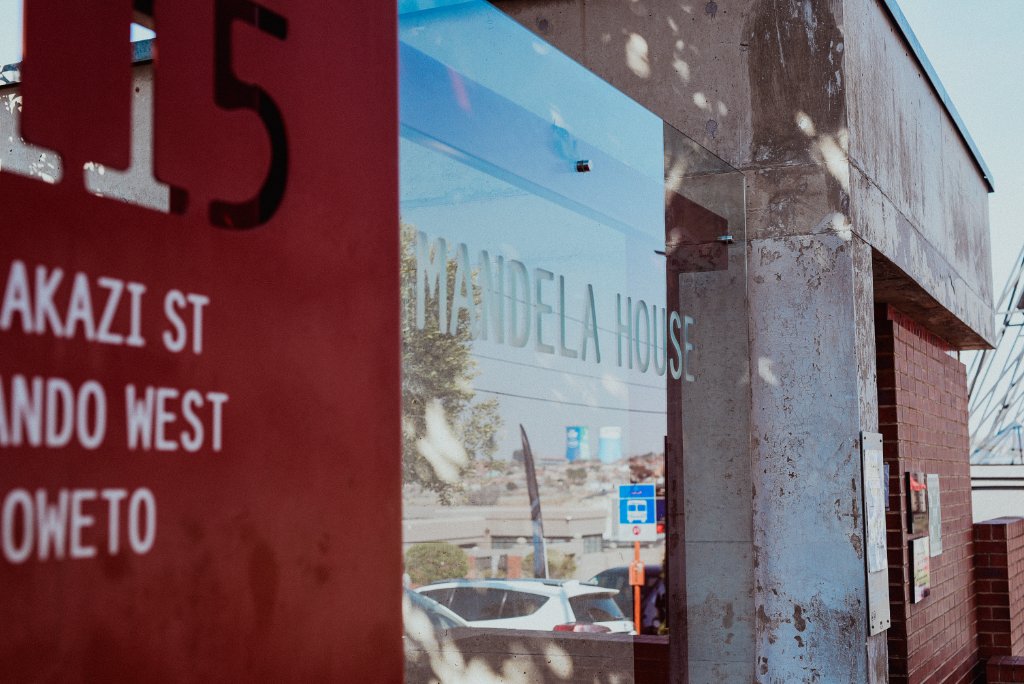
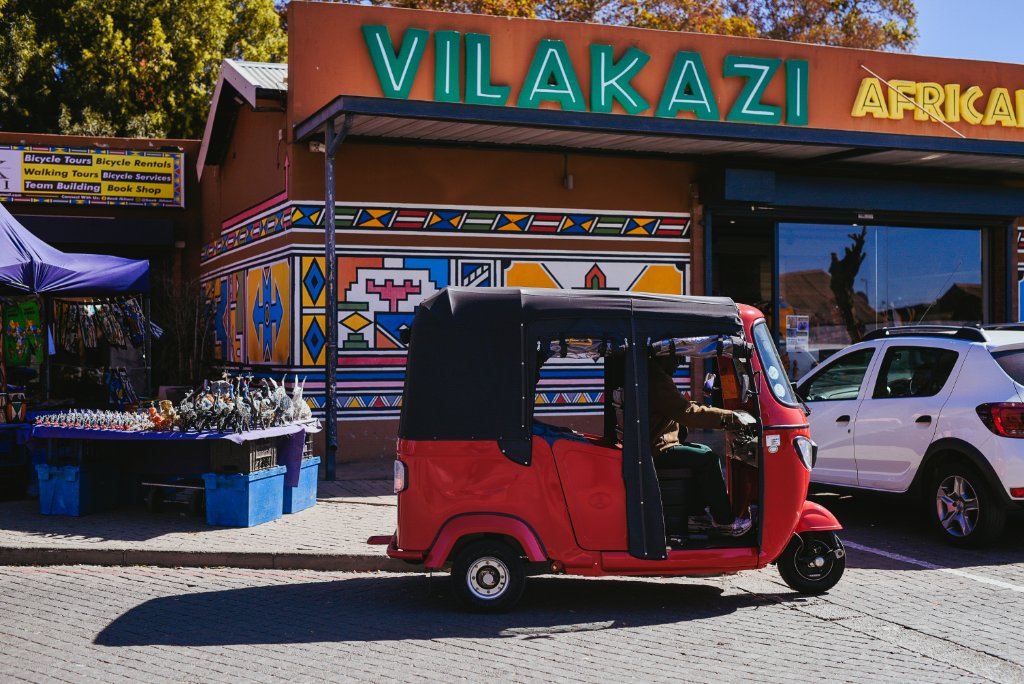
Vilakazi Street is the only street in the world where two Nobel Peace Prize winners have lived: Nelson Mandela and Archbishop Desmond Tutu. Mandela House is now a museum, and you can stand inside rooms that held a huge life. A few blocks away, the Hector Pieterson Memorial marks where the June 16 1976 student uprising began, and the museum behind it holds the photographs and first-hand accounts.
But don't make the mistake of treating Soweto as only history. Walk the street on a weekend afternoon and cafés spill onto the pavement, music floats out of windows, and somebody will say hello before you've finished looking up at the murals. It's heavy and it's joyful, sometimes in the same ten minutes. That's Soweto.
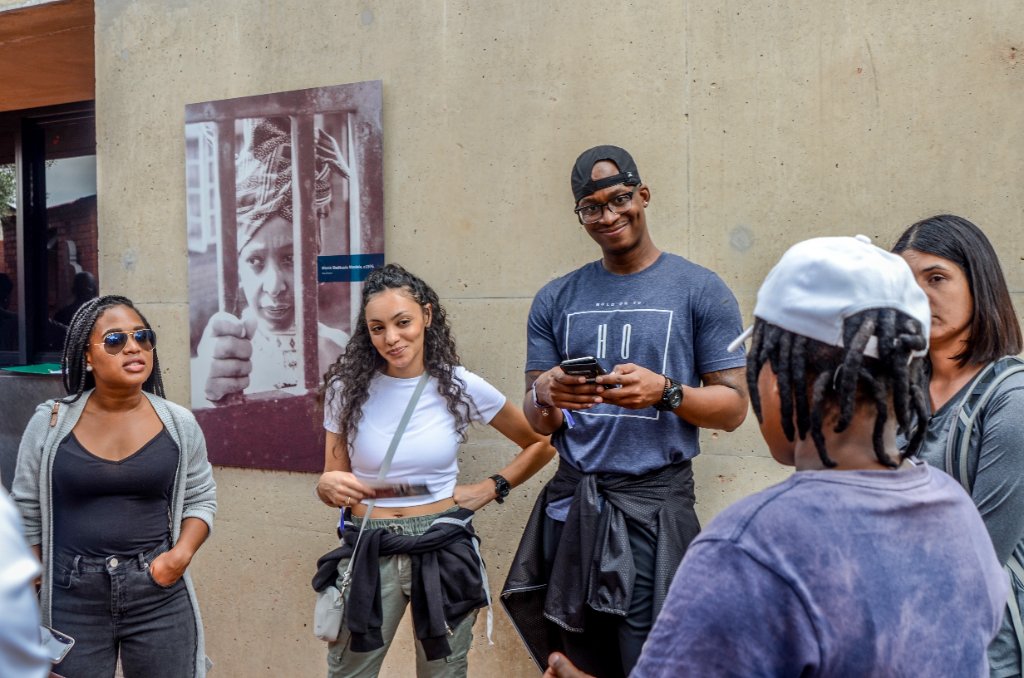
Easiest way: the Soweto Cultural Walking Tour with Lunch (4 hours, from R650) with a guide who grew up here, or see it by open-air tuk-tuk (2.5 hours) or bicycle (4 hours, lunch included). For a longer read, see Soweto, from a born-free.
2. Visit the Apartheid Museum
Allow at least two to three hours. It's the most powerful museum in the country. You're assigned an entry card marked "white" or "non-white" at the door, and the story unfolds from there. You walk through the history of a system that shaped this country, and you come out the other side quieter than you went in.
We like to pair the museum with Soweto, because the one explains the other. The museum gives you the full history, and Soweto shows you the people who lived it and what they built from it.
Easiest way: the Soweto & Apartheid Museum Full-Day Tour combines the museum with Vilakazi Street: hotel pickup and Apartheid Museum entry are included, Mandela House and Hector Pieterson Museum entry are optional extras added at checkout, and lunch is on your own account.
3. See the street art in Maboneng
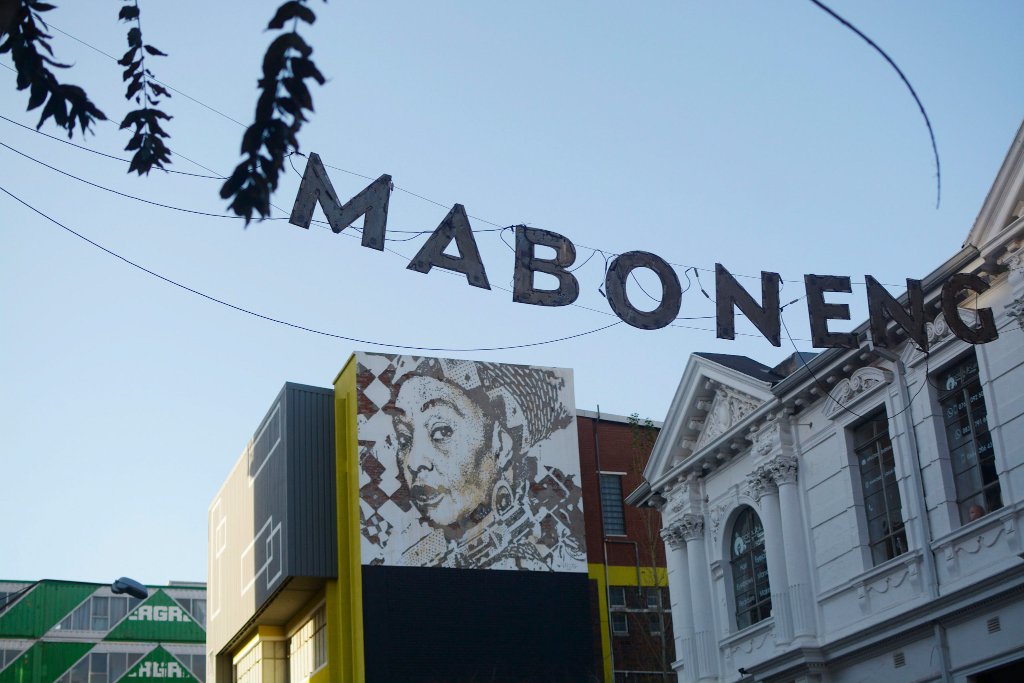
Maboneng means "place of light" in Sesotho, and it's Johannesburg's creative quarter: murals, galleries, rooftop bars and weekend markets on the eastern edge of the city centre. Old industrial buildings have been turned into studios and cafés, and the walls are covered in work by local artists.
It's the part of Joburg that surprises people most. If you only know the city from the news, Maboneng will change that quickly.
Easiest way: the two-hour Maboneng Street Art & Culture Tour (from R500) with a guide who knows the artists.
4. Discover downtown Johannesburg on foot
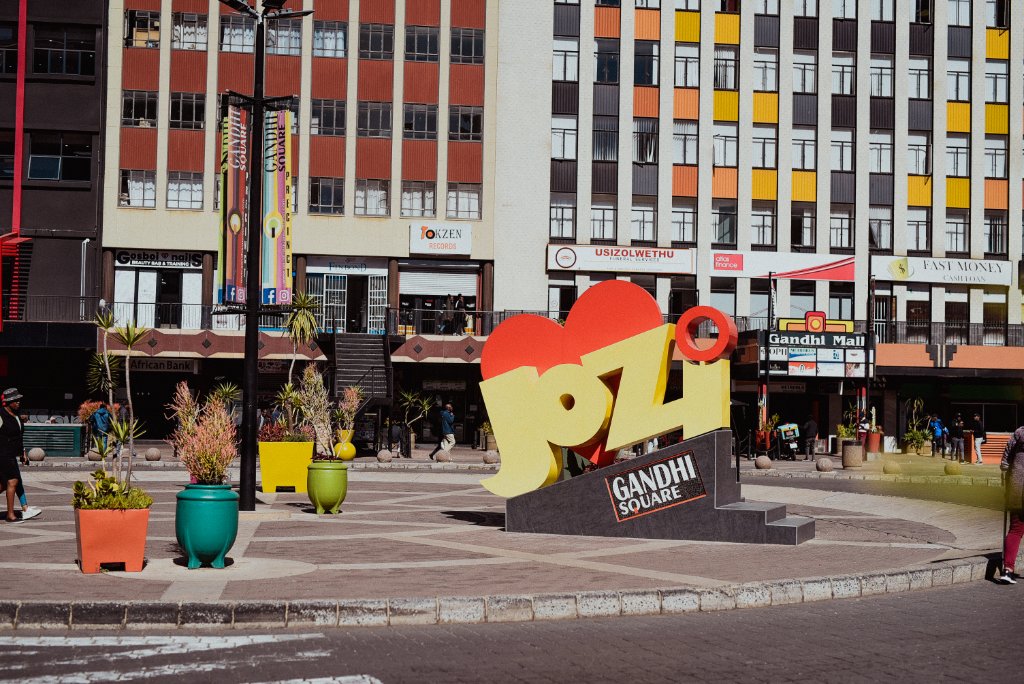
The inner city is changing fast. Gandhi Square, the old mining-house buildings, Chancellor House where Mandela and Oliver Tambo ran their law firm, and the Market Theatre in Newtown: every block has a story, and most of them aren't on a sign. This is the part of the city you shouldn't explore alone for the first time, because the best of it is in the stories a local can tell you as you walk.
Easiest way: the three-hour Johannesburg Historical Walking Tour.
5. Eat like a local
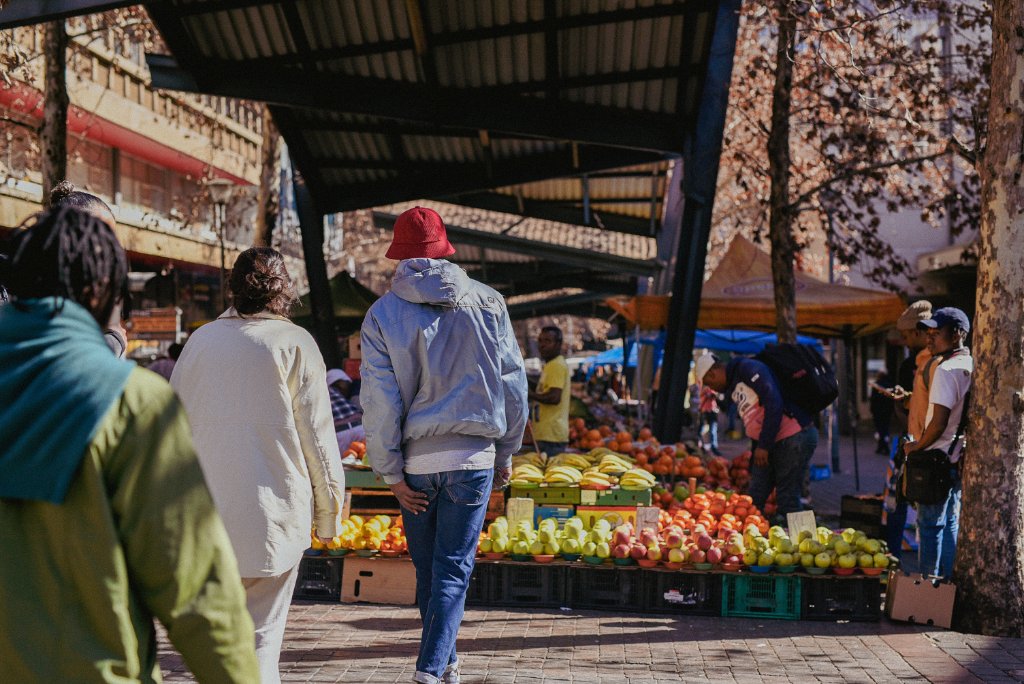
Johannesburg is best understood through your mouth. Try a kota, a hollowed-out quarter loaf stuffed with chips, polony, cheese and atchar, built so a worker could eat with one hand. Try shisa nyama, where you pick your meat, hand it over the grill and eat it with pap and chakalaka while someone's playlist runs the whole street. Finish with a cold drink at a Soweto tavern.
Several of our Soweto tours include lunch, so you eat where locals eat, not where a menu is printed in six languages.
What to do in Johannesburg this weekend
Saturdays and Sundays are the best time for Maboneng and the city's markets, and Vilakazi Street is busiest (and liveliest) on weekend afternoons. If you only have a weekend, do Soweto on one day and Maboneng or the inner city on the other. Tours run every day, so book ahead.
How many days do you need in Johannesburg?
One day is enough to see Soweto properly. Two days lets you add the Apartheid Museum and either Maboneng or the inner city. Three days gives you time to slow down and eat well, which is half the point.
Is Johannesburg safe for visitors?
Like any big city, parts of Johannesburg are best visited with someone who knows them. All our guides are local, registered and grew up in the areas they show you, which is why we recommend a guided first visit. They know where to walk, where to park, and where to find the best lunch.
Frequently asked questions
What are the best things to do in Johannesburg?
Walk Vilakazi Street in Soweto, visit the Apartheid Museum, see the street art in Maboneng, explore the inner city on foot with a guide, and eat a kota or shisa nyama like a local.
How many days do I need in Johannesburg?
Two days covers the highlights: one for Soweto, one for the Apartheid Museum plus Maboneng or the inner city. One day is enough if you focus on Soweto.
Is Soweto worth visiting?
Yes. It's the heart of South Africa's struggle history and one of the most welcoming, creative neighbourhoods in the country. Go with a local guide, come hungry, and plan at least half a day.
Is Johannesburg safe for tourists?
Like any large city, it's best explored with local knowledge. Guided tours with registered local guides are the easiest way to see the best of it with confidence.
What is the best way to see Johannesburg and Soweto?
With a local guide. Walking, tuk-tuk and bicycle tours cover Soweto at different paces, and private tours let you build the day around your own interests.
What is the best time to visit Johannesburg?
Johannesburg is a year-round destination. Winters are dry and sunny with cold mornings, and summer afternoons often bring thunderstorms, so plan outdoor sightseeing for the morning.
This is the invitation
Don't fly through Johannesburg. Stay a day or two, walk the streets, eat the food and meet the people. It's the city that taught us how to tell a story, and we'd love to show you how.
Tell us your dates and we'll build a private Johannesburg itinerary with your own guide and vehicle. See all our Johannesburg and Soweto tours, or WhatsApp us. We reply personally.