The colourful houses may catch your eye, but behind every bright house is a story of culture, faith, food, and community. This is Bo-Kaap beyond the photograph.
More Than a Photo Spot
Walk through Bo-Kaap and the first thing you will notice is the colour. Pink, yellow, blue, green and orange houses line the cobbled streets beneath Signal Hill.
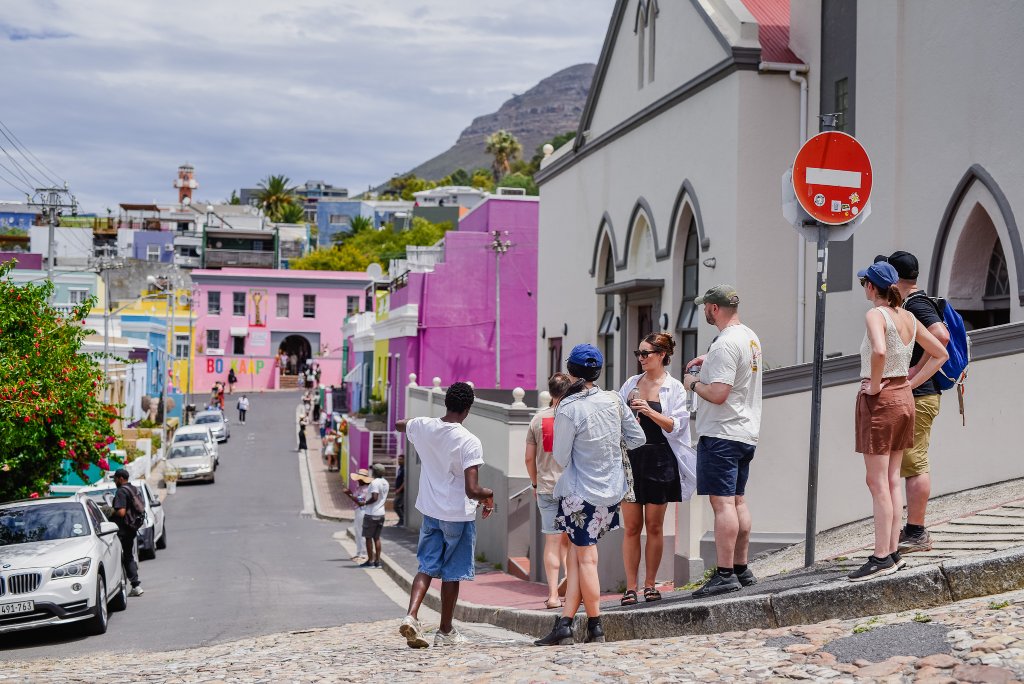
Bo-Kaap, however, is more than one of Cape Town's most photographed neighbourhoods. It is a living community with a history dating back to the eighteenth century, shaped by generations of people who were brought to the Cape from parts of Southeast Asia and East Africa during the colonial period. Their descendants helped shape the culture, traditions and identity that make Bo-Kaap unique today. Visitors who take the time to look beyond the colours, and to listen to the stories behind them, come away with a far deeper understanding of the neighbourhood.
A Community Built on History
Bo-Kaap's history is tied to the history of slavery at the Cape. From the 1760s, houses were built in the area and rented to enslaved people and political exiles. Over generations, the community developed a distinctive cultural identity of its own.
Islam too is at the core of Bo-Kaap's heritage. The Auwal Mosque, built in 1794, is acknowledged as the first mosque to be built in South Africa.
This combination of history, faith and community is what makes Bo-Kaap far more than a collection of colourful houses.
Why Are the Houses So Colourful?
It is the question almost every visitor asks.
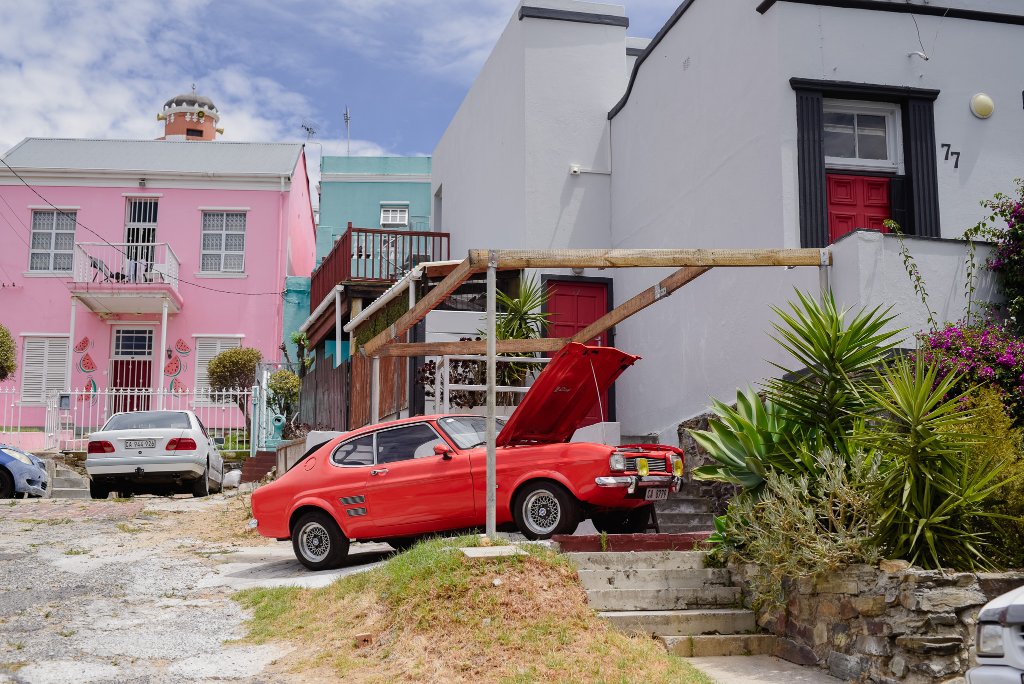
The houses are known for their bright colours and distinctive architecture, with many featuring narrow facades and Cape Dutch and Georgian influences.
One commonly told explanation is that the houses were originally required to be painted white while they remained rental properties. When residents were later able to own their homes, many chose to paint them in brighter colours as an expression of freedom and identity.
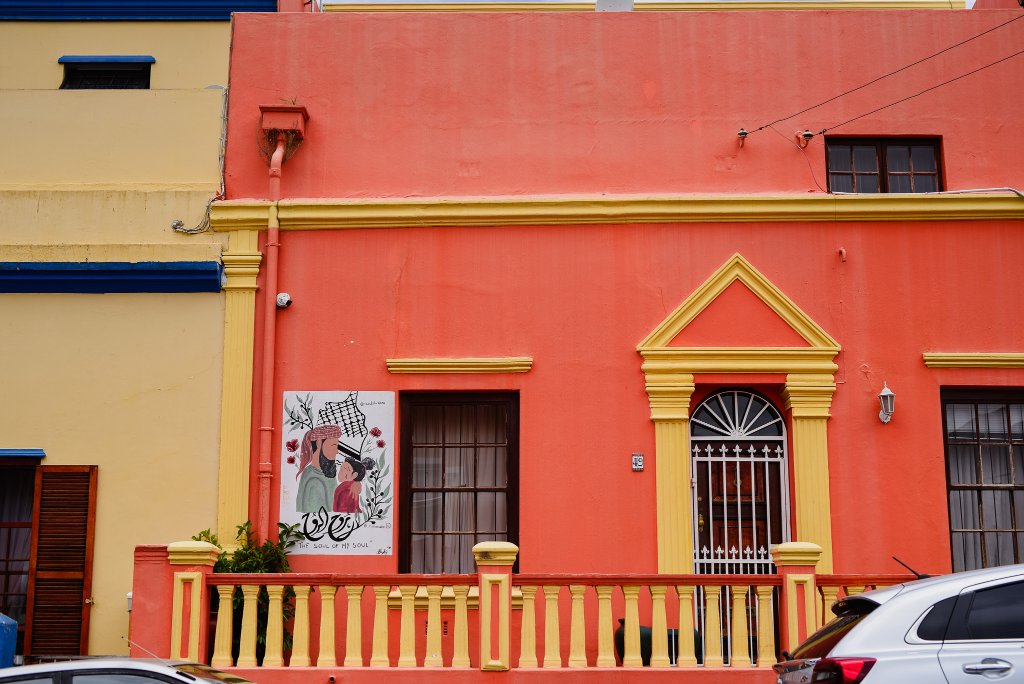
Whatever colour catches your eye, it is worth remembering that these are people's homes. Bo-Kaap is a residential neighbourhood, not an open-air museum, and it is best experienced with curiosity and respect.
Come for the History, Stay for the Food
No account of Bo-Kaap would be complete without mentioning its food.
Cape Malay food is a really big part of what makes Bo-Kaap special. Families here have been cooking the same recipes for years, passing them down from one generation to the next, and that's how a lot of Cape Town's food culture started. If you walk through Bo-Kaap you can smell the spices from the street, and the dishes and sweet treats people make there tell you a lot about the area's history too, not just the buildings.
Experience Bo-Kaap with One Day Africa
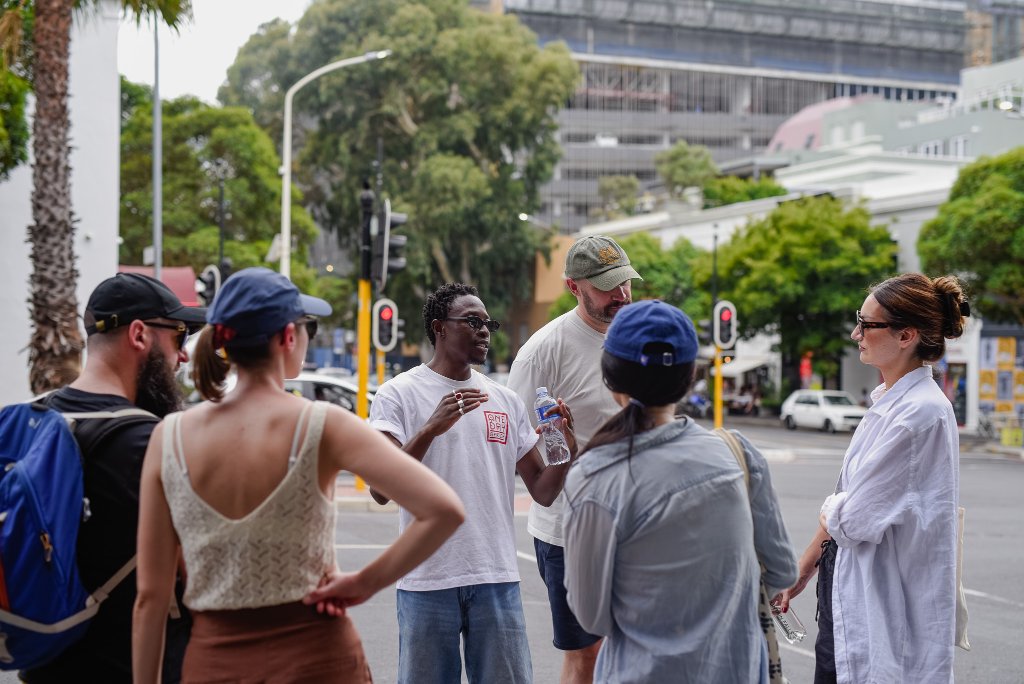
At One Day Africa we don't really think travel should just be about taking pictures at famous spots. For us it's more about actually meeting the people who live there, hearing what they have to say, and understanding the history behind the place you're visiting.
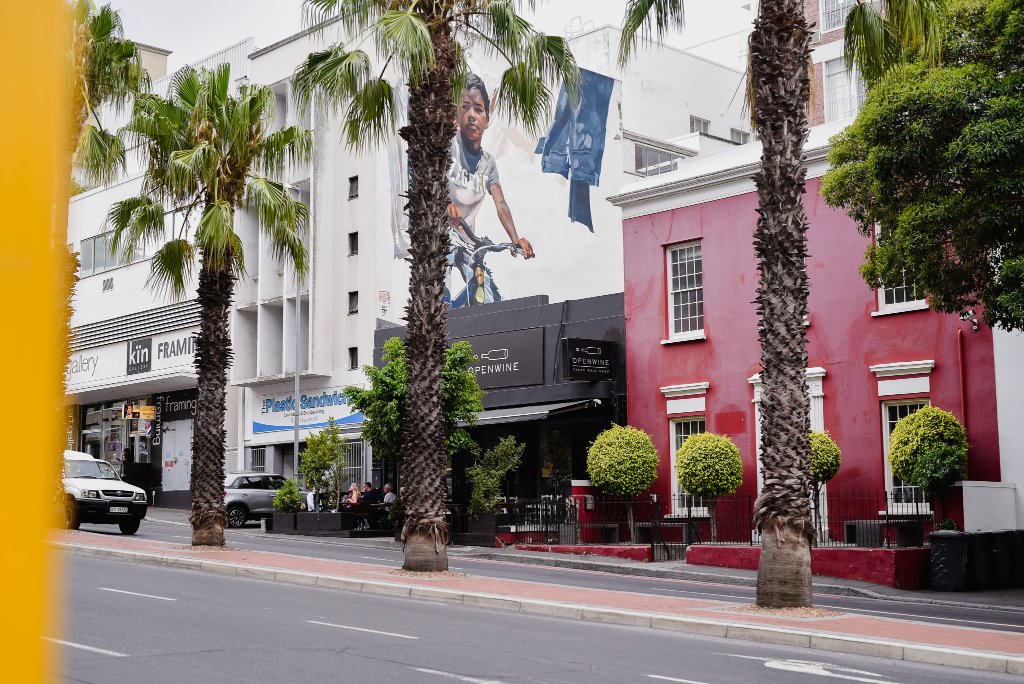
Our Cape Town tours bring guests closer to the city's culture, and Bo-Kaap is a big part of that. When you go with a local guide you don't just look at the colourful houses, you learn about the people and traditions that made the area what it is. You get to see the architecture, hear the stories, and taste the food for yourself.
Visit With Respect
Bo-Kaap isn't just a place for tourists to take photos, people actually live there. So when you're visiting you should treat it with respect, same as you would with any other neighbourhood. Ask before photographing people, respect religious spaces, and avoid blocking streets or disturbing residents. Take photographs, ask questions, and enjoy the food, but remember that the community comes first.
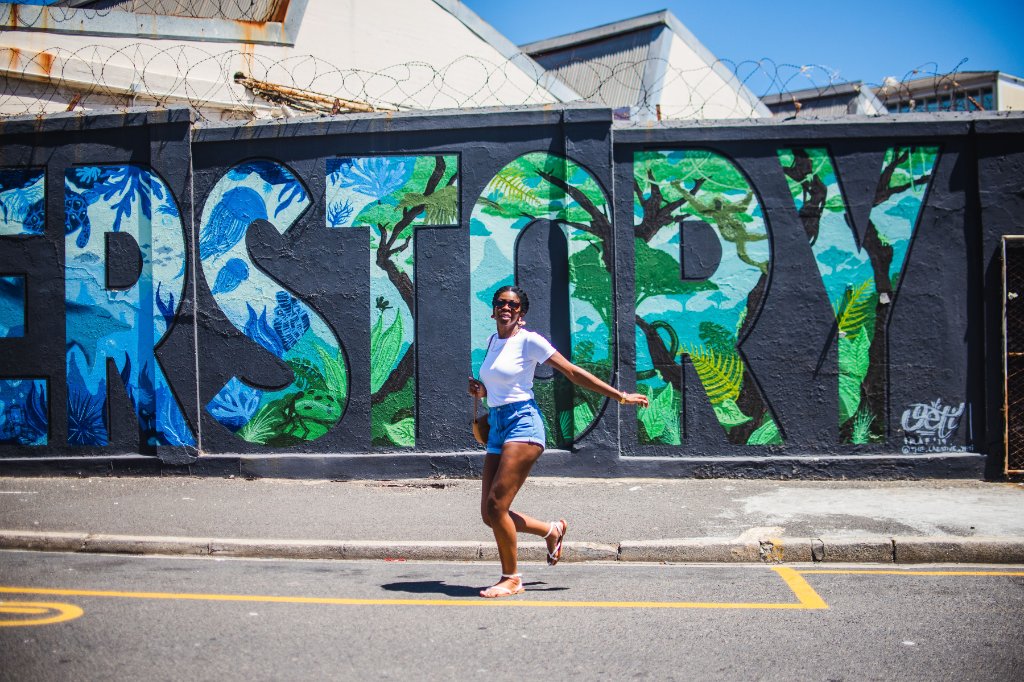
Come for the Colour, Stay for the Story
People come to Bo-Kaap for its colourful houses, and they are, without question, beautiful. But look beyond the colour and you will find something far deeper: generations of history, faith, family, food and resilience.
So, what lies beyond the colours of Bo-Kaap?
Come experience it for yourself, join a One Day Africa walking tour.